Adapting to a new medical routine can feel daunting, yet for many, living with self-catheterization becomes a seamless part of a healthy, empowered life. This process, known as intermittent self-catheterization, is not merely a clinical procedure but a skill that, once mastered, restores autonomy and normalcy. The initial learning curve is often overshadowed by the profound sense of control and freedom it returns to individuals, allowing them to manage their bladder health confidently and discreetly. The key to a positive experience lies in education, support, and access to well-designed products that prioritize user comfort and convenience.
The Psychological Adjustment and Empowerment
The most significant hurdle in living with self-catheterization is frequently psychological. Overcoming apprehension and building confidence is a journey that involves trusting both the process and one’s own ability. With consistent practice, what begins as a clinical task transforms into a quick, routine part of the day, no more disruptive than any other personal care activity. This mastery is empowering, dissolving feelings of limitation and replacing them with independence. The availability of discreet, compact kits designed for on-the-go use, such as those offered by Well Lead Medical, significantly aids this adjustment by ensuring individuals have the tools they need to live life uninterrupted.
Practical Integration and Modern Solutions
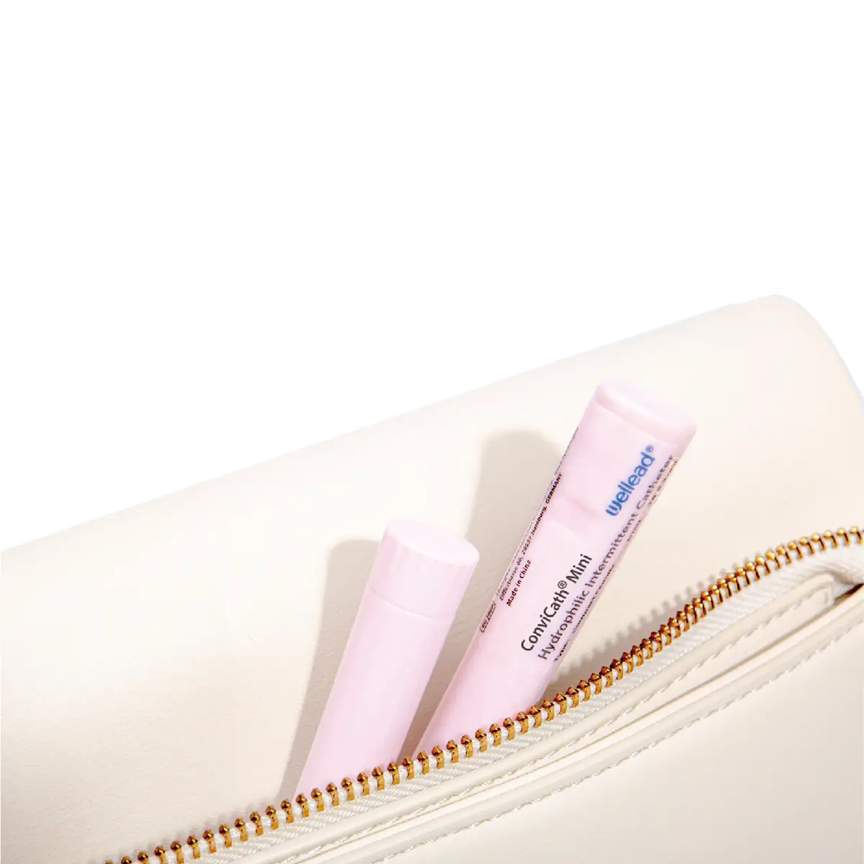
Practically, success hinges on integrating the routine into one’s daily schedule with minimal fuss. Modern innovations in catheter design are central to this seamless integration. For example, a product like the ConviCath® Mini Compact Female directly addresses the practical needs of living with self-catheterization. Its touch-free, ready-to-use hydrophilic coating eliminates the need for separate lubricants, simplifying the process. The compact, portable design and tamper-proof label provide discretion and peace of mind, whether at home, at work, or traveling. These thoughtful features demonstrate how product design can actively support a positive lifestyle.
Conclusion
Ultimately, living with self-catheterization is a testament to human adaptability. It is a practice that enables individuals to look after their health proactively without sacrificing their quality of life. With the support of reliable medical device companies and continued advancements in product technology, users can navigate their days with confidence and grace, turning a medical necessity into a simple, manageable part of their story.